Mongabay
Scientists warn of climate blind spot as U.S. dismantles ocean sensors
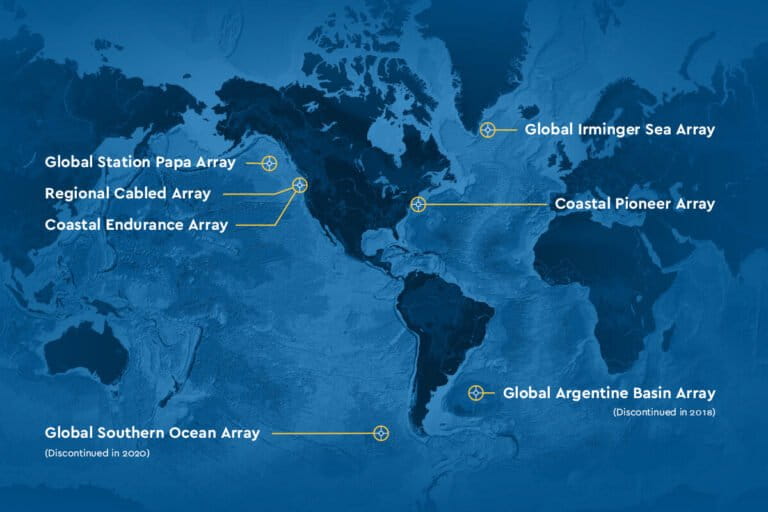
The U.S. is dismantling a $386 million network of over 900 ocean sensors, ending more than a decade of continuous data on marine ecosystems and climate change. The Ocean Observatories Initiative, funded by the National Science Foundation, will be shut down over the next 15 months. Scientists warn the loss creates a critical gap in understanding how oceans are responding to a warming planet — data that cannot be easily or quickly replaced.
Read article →Guardian Environment
California and New York weaken climate rules as red states ramp up green energy
California and New York are quietly dismantling marquee climate policies, with California handing out over $3 billion in free pollution allowances and New York pushing back key carbon regulations by four years. Meanwhile, Republican-led states — Texas chief among them — are aggressively expanding renewable energy capacity, upending the traditional political narrative around clean energy. The regional role reversal raises serious questions about where actual climate progress is happening in America.
Read article →Guardian Environment
In first, California city overwhelmingly votes to permanently ban datacenters
Monterey Park, California residents voted overwhelmingly to permanently ban datacenters, marking the first time US voters have directly decided the issue at the ballot box. The measure goes further than the temporary moratoriums other municipalities have enacted through local government, setting a binding precedent driven by citizen will rather than council action. The vote signals growing grassroots resistance to datacenter development, which critics often cite for its strain on power grids, water supplies, and local infrastructure.
Read article →Grist
Blood in the well: One town’s fight against the slaughterhouse polluting it
A Pennsylvania community successfully sued a local beef processor after slaughterhouse waste seeped into their drinking water wells, marking a rare victory for residents fighting industrial pollution. But the win may be largely symbolic — systemic gaps in oversight mean similar contamination could continue unchecked. The case highlights how little protection rural communities have against the agricultural industry's environmental footprint.
Read article →Inside Climate News
California Pesticide Regulators Say New Rules Protect Communities as Applications of a Dangerous Fumigant Rise
California regulators have approved new rules governing 1,3-dichloropropene, a widely used fumigant classified as a carcinogen since 1989, even as its application rates continue to climb. The regulations come decades after the state acknowledged the chemical causes tumors in multiple organs in lab animals. Critics will likely question whether new rules are sufficient given that regulators permitted expanded use of a known carcinogen for more than 30 years.
Read article →Get this delivered every morning
Join thousands of readers who get the world's most important stories, curated daily.
Start reading free →