Ars Technica
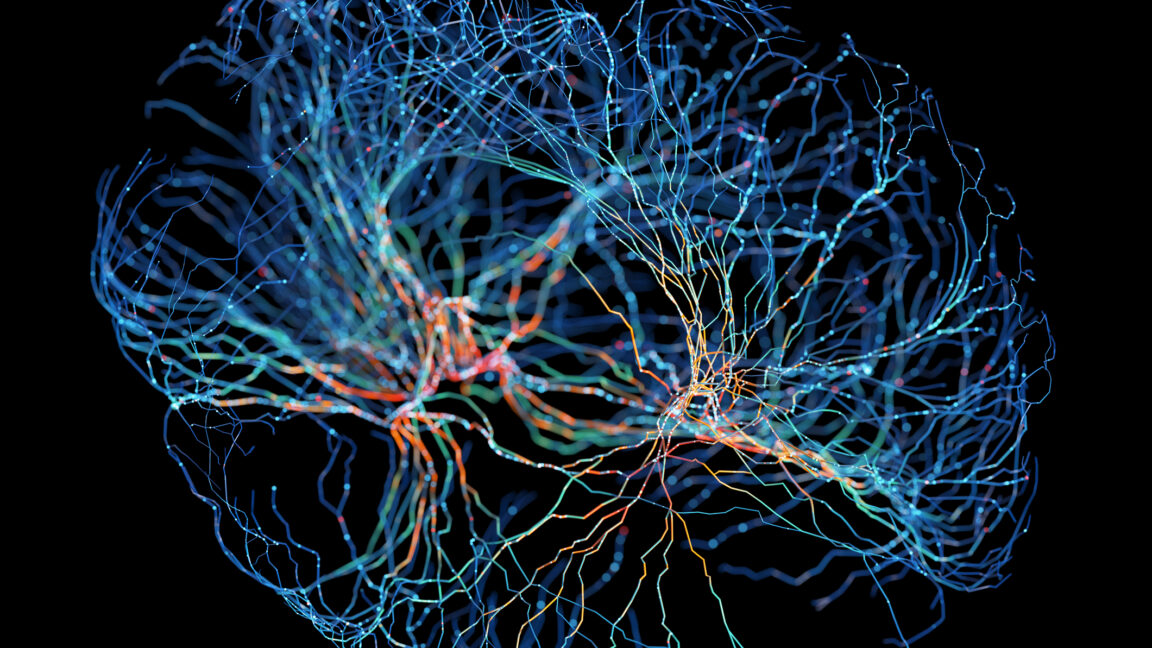
OpenAI starts offering a biology-tuned LLM
OpenAI has launched GPT-Rosalind, a large language model fine-tuned specifically for biology workflows, marking the company's first domain-specialized model release. The system is currently available only through closed access, limiting its reach to select researchers and partners. The move signals growing competition in scientific AI, where purpose-built models are increasingly outperforming general-purpose tools in technical fields.
Read article →TechCrunch
New leaders, new fund: Sequoia has raised $7B to expand its AI bets
Sequoia has closed a $7 billion fund, its first major raise under the new co-stewardship of Alfred Lin and Pat Grady. The capital signals a strong vote of confidence in the firm's new leadership and its aggressive push into artificial intelligence. For a 54-year-old institution, the raise underscores that Sequoia is far from coasting on legacy.
Read article →
The Verge
A giant cell tower is going to space this weekend
Blue Origin is set to launch its New Glenn rocket this weekend using a previously flown booster, a milestone that would break SpaceX's grip on reusable orbital launch vehicles. The mission carries a satellite payload aimed at expanding space-based connectivity, pushing forward a three-way competition to eliminate dead zones in global mobile coverage. If successful, the launch marks a turning point in both commercial spaceflight and the race to keep your phone connected anywhere on Earth.
Read article →TechCrunch
Hackers are abusing unpatched Windows security flaws to hack into organizations
Security researchers who disclosed three unpatched Windows Defender vulnerabilities have inadvertently handed hackers a roadmap for real-world attacks. Cybersecurity firms are now tracking active exploitation of the flaws, meaning organizations running unpatched systems are directly in the crosshairs. The incident underscores the razor-thin window between vulnerability disclosure and weaponization by threat actors.
Read article →TechCrunch
Zoom teams up with World to verify humans in meeting
Zoom is integrating World's identity verification technology to distinguish real humans from AI bots in meetings, displaying a badge on verified participants' video tiles. The move addresses growing concerns about AI-generated avatars and deepfakes infiltrating video calls. As synthetic participants become harder to detect, this kind of credentialing layer could quickly become standard practice across enterprise platforms.
Read article →Get this delivered every morning
Join thousands of readers who get the world's most important stories, curated daily.
Start reading free →