Hacker News
Microsoft reports AI is more expensive than paying human employees
Microsoft has acknowledged that deploying AI agents at scale is costing more than the human labor it was meant to replace, driven by the surging expense of compute and token consumption. The admission is a significant reality check for an industry that has sold AI largely on the promise of efficiency gains and cost reduction. As enterprises deepen their AI investments, the economics of automation are proving far messier than the pitch decks suggested.
Read article →TechCrunch
AI is being used to resurrect the voices of dead pilots
Researchers used AI to reconstruct cockpit voice recordings from spectrogram images, effectively bypassing the audio restrictions the NTSB places on sensitive accident data. The technique forced the agency to temporarily shut down access to its public docket system while it assessed the security implications. The development raises serious questions about whether visual representations of protected audio can ever truly serve as a safeguard.
Read article →Hacker News
Oura says it gets government demands for user data
Oura, the maker of the popular health-tracking smart ring, has confirmed it receives government demands for user data — but has not yet disclosed the volume or frequency of such requests. The admission raises pointed questions about the privacy of intimate biometric data, including sleep patterns, heart rate, and menstrual cycle tracking. As wearables become more deeply embedded in daily life, the lack of a published transparency report leaves users in the dark about how often their most personal health signals reach law enforcement.
Read article →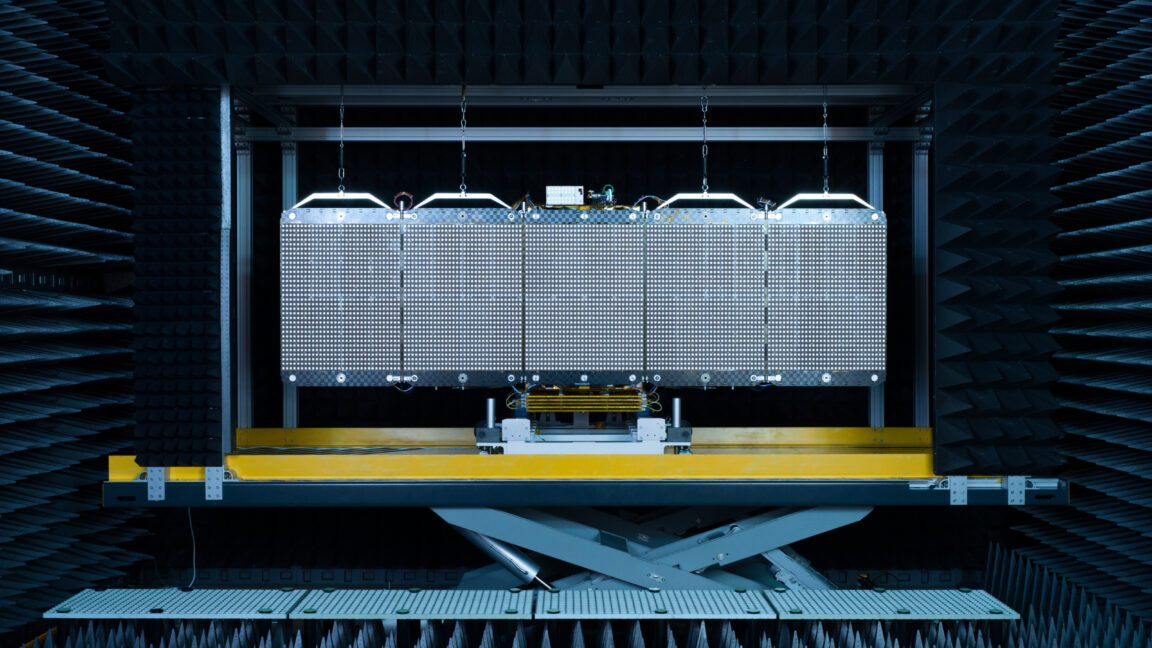
Ars Technica
Four Russian satellites are now within striking distance of an ICEYE radarsat
Four Russian satellites have maneuvered into close proximity of an ICEYE synthetic aperture radar satellite, raising serious concerns about potential interference or attack. The unusual clustering of spacecraft is a deliberate tactical move — standard satellite operations simply don't require this kind of coordinated proximity. The incident underscores the growing militarization of low Earth orbit and the vulnerability of commercial space assets to adversarial action.
Read article →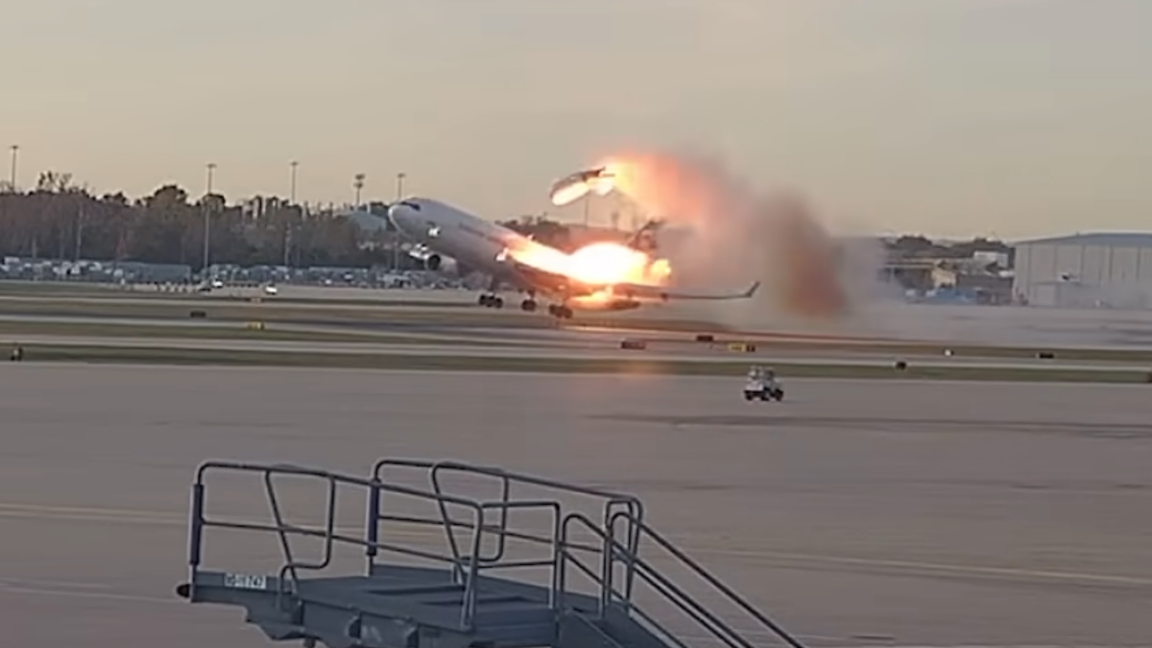
Ars Technica
US scrambles to stop Internet users re-creating dead pilots’ voices
The National Transportation Safety Board prohibits the release of cockpit voice recorder audio, but internet users have found ways to reconstruct the voices of pilots killed in crashes using publicly available tools. The workaround raises serious questions about the limits of federal privacy protections in the age of AI-driven audio synthesis. Authorities are now racing to close the loophole before it further undermines restrictions designed to protect victims' families and the integrity of crash investigations.
Read article →Get this delivered every morning
Join thousands of readers who get the world's most important stories, curated daily.
Start reading free →