TechCrunch
Google engineer charged with insider trading after making $1.2M on Polymarket
A Google engineer has been charged with insider trading after allegedly using confidential knowledge of the company's Year in Search campaign to place winning bets on prediction platform Polymarket, netting $1.2 million in profit. The complaint alleges he risked over $2.7 million on wagers tied to which search trends Google would highlight in its annual 2025 campaign. The case marks a notable legal test of how securities and fraud laws apply to prediction markets as they grow in mainstream prominence.
Read article →Hacker News
Google employee charged with $1M Polymarket insider trading bet on search term
A Google employee has been charged after allegedly placing a $1 million bet on Polymarket using insider knowledge of proprietary search trend data. The case marks one of the first high-profile criminal charges tied to prediction market manipulation, raising immediate questions about how platforms like Polymarket verify the legitimacy of large wagers. If upheld, the prosecution could set a significant precedent for how insider trading laws apply to decentralized betting markets.
Read article →MIT Tech Review
The AI Hype Index: AI gets booed in graduation season
Graduates at the University of Arizona booed former Google CEO Eric Schmidt when he urged the class of 2026 to embrace AI as their generational mission. The reaction signals a growing disconnect between Silicon Valley's enthusiasm for artificial intelligence and the skepticism felt by young people entering a job market reshaped by it. When the people AI is supposed to empower start jeering its loudest advocates, the industry has a perception problem worth taking seriously.
Read article →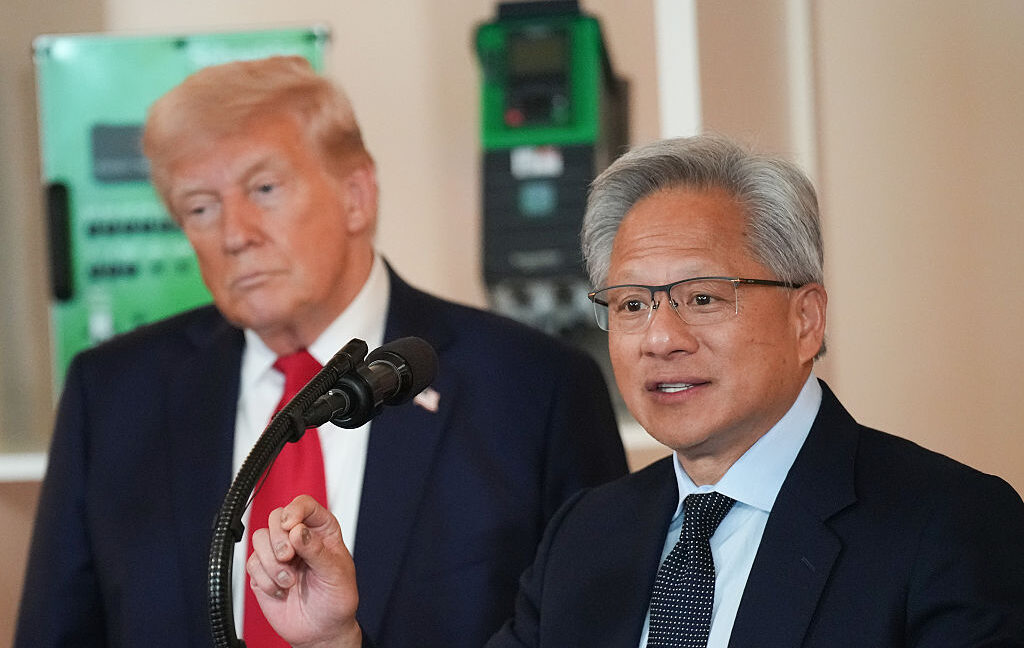
Ars Technica
Nvidia bets $150B on Taiwan as Trump's plan to make US an AI hub backfires
Nvidia is committing $150 billion annually to build out Taiwan as a global AI epicenter, a massive vote of confidence in the island's semiconductor ecosystem. The move represents a striking counterpoint to the Trump administration's push to onshore AI infrastructure and chip manufacturing to the United States. For Washington, the announcement is a rare and public setback in its effort to position America at the center of the next technological era.
Read article →
Ars Technica
Websites have a new way to spy on visitors: analyzing their SSD activity
Websites can now fingerprint visitors by measuring the read/write activity patterns of their solid-state drives directly through a browser using basic JavaScript — no plugins or permissions required. The technique exploits subtle timing differences in how SSDs handle data, creating a unique behavioral signature tied to a user's hardware. This adds a powerful new tool to the fingerprinting arsenal, one that persists across incognito modes, VPNs, and cookie clears.
Read article →Get this delivered every morning
Join thousands of readers who get the world's most important stories, curated daily.
Start reading free →